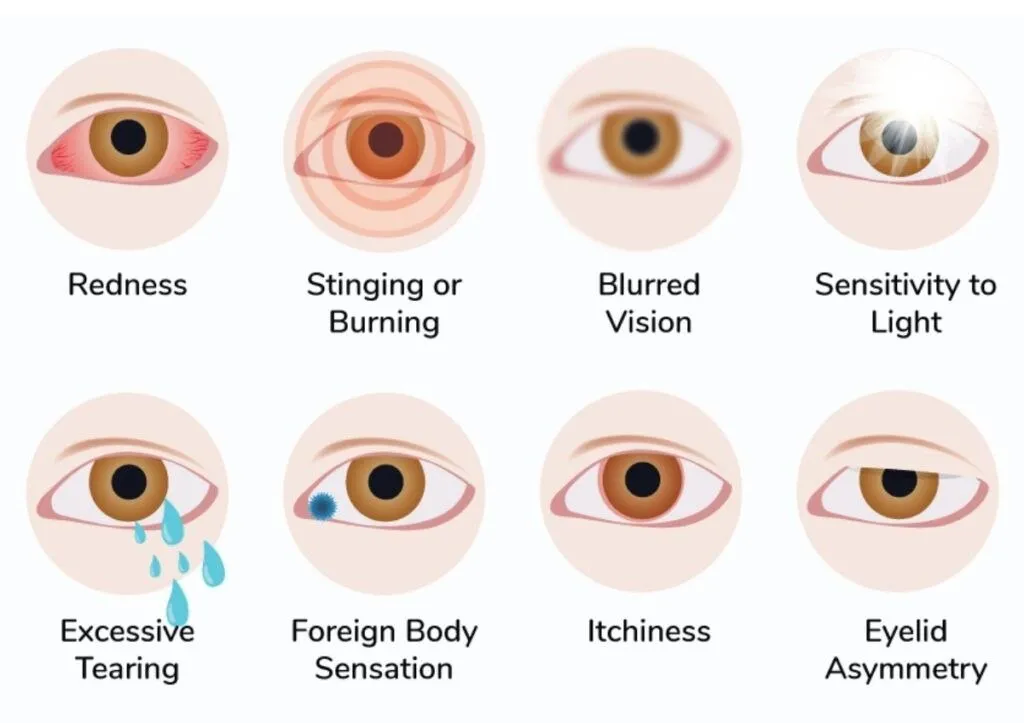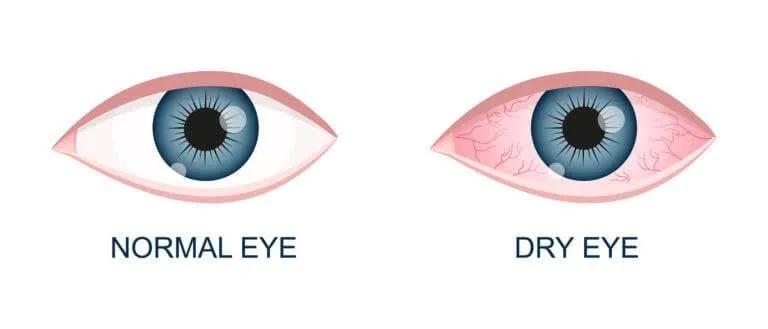
Dry eye disease is a chronic condition that occurs when the eyes do not produce enough tears or when tears evaporate too quickly, leaving the ocular surface insufficiently lubricated. This can result from meibomian gland dysfunction, hormonal changes, prolonged screen use, environmental factors, autoimmune conditions, or certain medications. Symptoms include persistent burning, stinging, grittiness, excessive tearing as a reflex response, blurred vision, and eye fatigue.
Effective dry eye management goes beyond temporary relief with artificial tears. A comprehensive approach involves identifying and treating the underlying cause, which may include meibomian gland expression, intense pulsed light (IPL) therapy, punctal plugs to retain tears on the eye surface, prescription anti-inflammatory drops, and lifestyle modifications such as adjusting screen habits and improving environmental humidity. This root-cause approach ensures lasting comfort rather than short-term symptom masking.