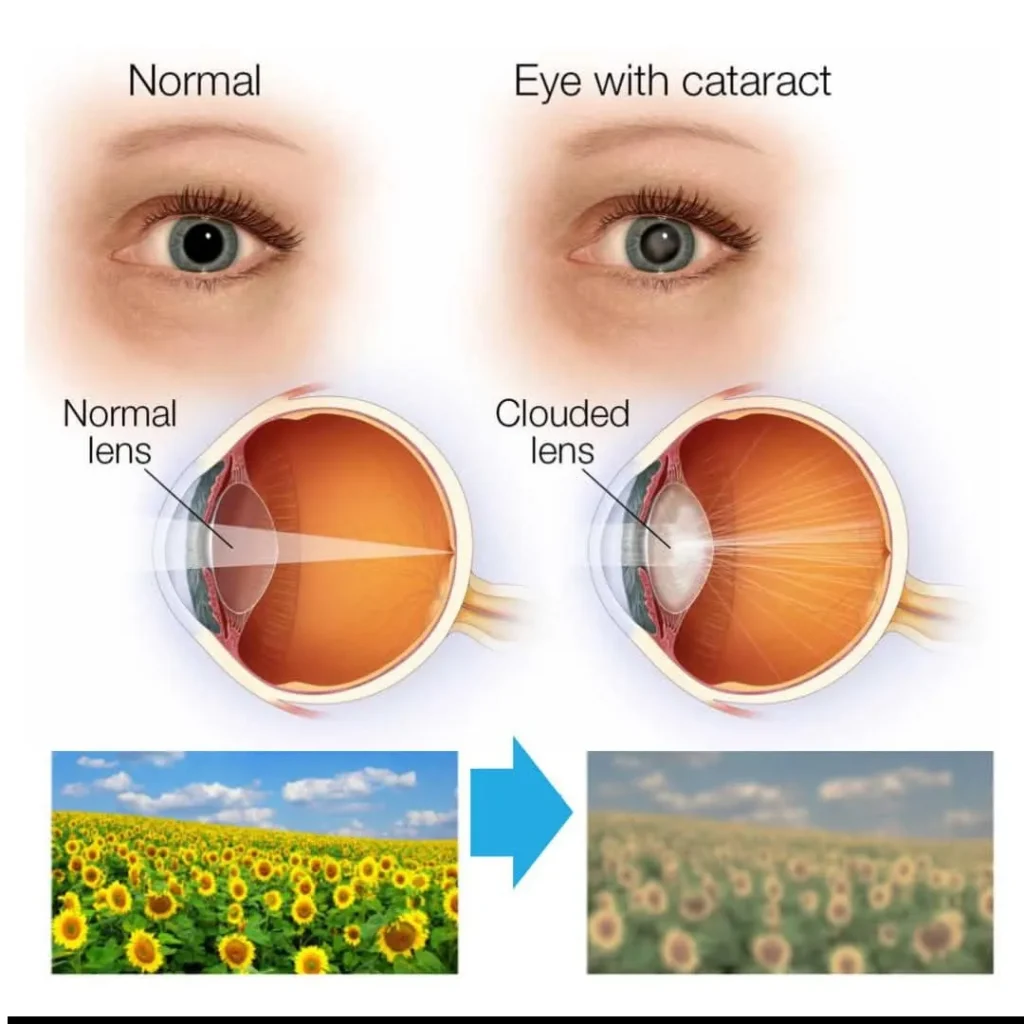
Cataracts occur when the natural lens of the eye becomes cloudy, leading to blurred, dim, or yellowish vision that progressively worsens over time. This condition is most commonly associated with aging but can also result from injury, prolonged UV exposure, certain medications, or underlying health conditions like diabetes. Without treatment, cataracts can significantly impact daily activities such as driving, reading, and recognising faces.

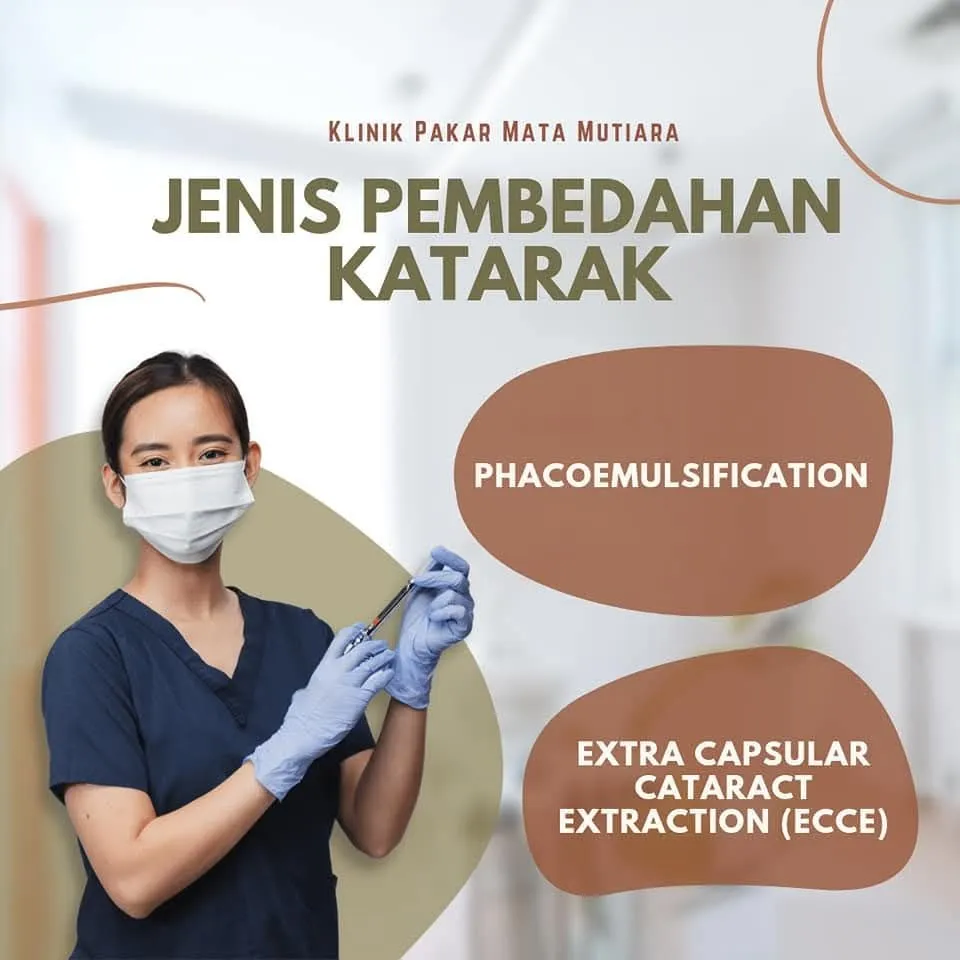
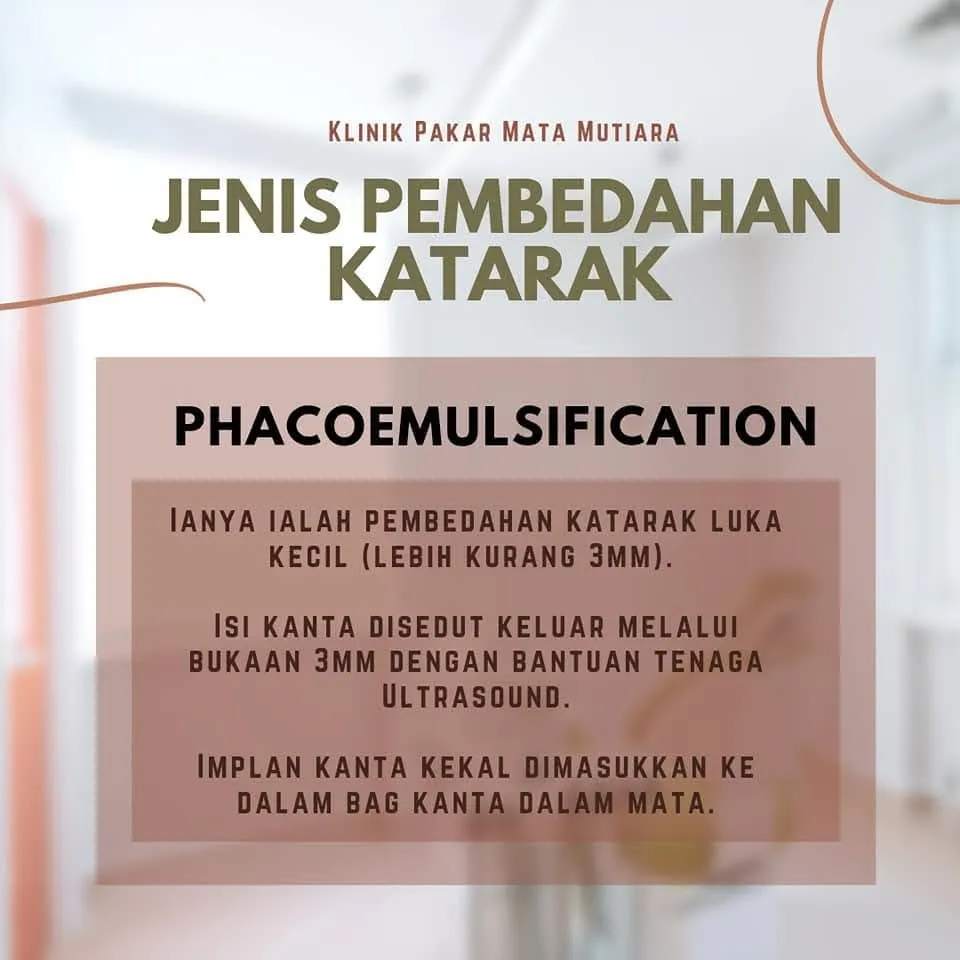
Modern cataract surgery is one of the most commonly performed and safest surgical procedures worldwide. During the procedure, the clouded natural lens is gently removed using phacoemulsification — a technique that uses ultrasonic waves to break up the lens — and replaced with a clear artificial intraocular lens (IOL) tailored to the patient’s vision needs. The surgery is typically completed in under 30 minutes, requires only local anaesthesia, and most patients experience significantly improved vision within days.