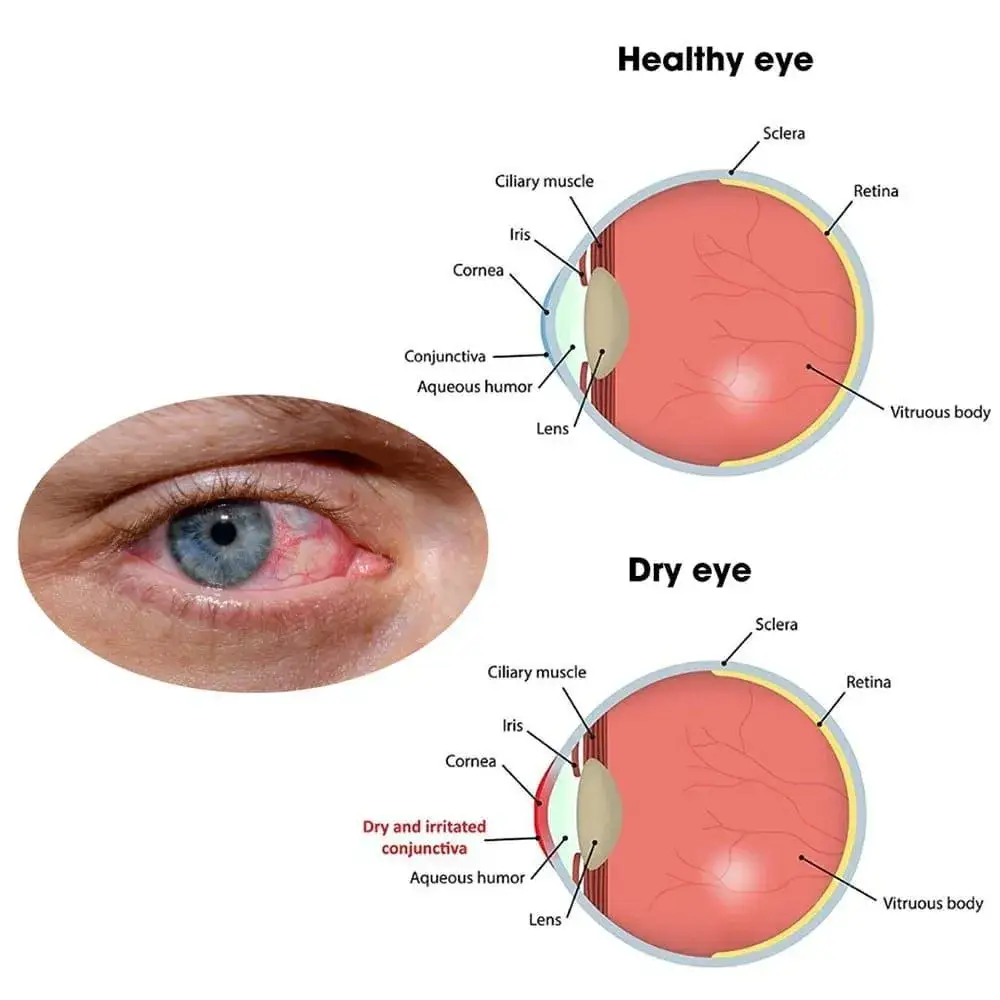
Conjunctivitis, commonly known as pink eye, is an inflammation of the conjunctiva — the thin, transparent tissue lining the inner surface of the eyelid and covering the white part of the eye. It can be caused by viral infections, bacterial infections, allergic reactions, or irritants such as chemicals and foreign bodies. Viral and bacterial conjunctivitis are highly contagious and can spread rapidly through direct contact, shared items, or respiratory droplets, making prompt diagnosis and treatment essential to prevent transmission within households and communities.

Symptoms typically include redness, itching, tearing, swelling, discharge, and a sensation of grittiness. Accurate identification of the type of conjunctivitis is critical, as treatment differs significantly — bacterial forms require antibiotic eye drops, viral cases are managed supportively, and allergic conjunctivitis is treated with antihistamines and mast cell stabilisers. Getting the right diagnosis early not only speeds up recovery but also helps protect those around you from infection.